




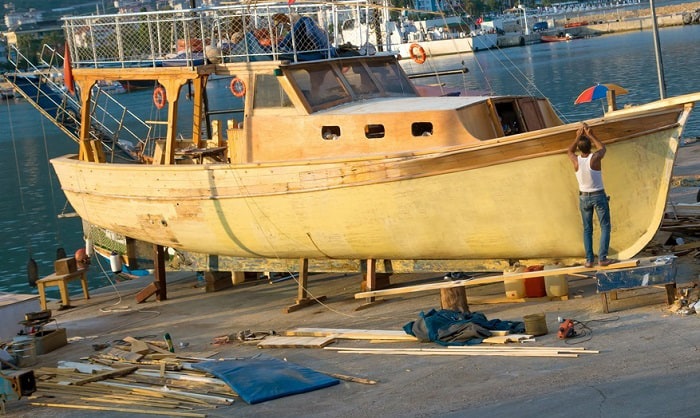
A Comprehensive Guide to Constructing a Silent Wooden Duck Boat
For dedicated duck hunters, a well-crafted duck boat is an indispensable tool, and when silence is paramount, a wooden boat becomes the ideal choice. This comprehensive guide will walk you through the process of building a silent wooden duck boat, from initial design to final finishing touches.
Choosing the Right Wood
The first step is selecting the right wood for your boat. While various woods can be used, certain species are preferred for their strength, durability, and water resistance. Here's a look at some popular choices:
Cedar
Cedar is a classic choice for boat building due to its natural resistance to rot and insects, as well as its lightweight and aesthetically pleasing grain. It is also relatively easy to work with, making it suitable for both novice and experienced builders.
Mahogany
Mahogany is known for its stunning reddish-brown color and exceptional strength. It holds up well to moisture, making it ideal for boat hulls. However, mahogany is more expensive than cedar and can be more challenging to work with.
Oak
Oak is a heavy, durable wood that offers excellent resistance to impact and abrasion. While it's more challenging to work with than cedar, it provides exceptional longevity and strength, making it a good choice for the bottom of the boat.
Plywood
Marine-grade plywood is a versatile option for boat construction. It offers a balance of strength and affordability. Plywood is particularly useful for creating the boat's framework and hull.
Designing Your Duck Boat
Before embarking on construction, carefully design your boat to meet your specific hunting needs. Consider the following factors:
Size
The size of your boat will depend on the number of hunters and the size of the water body you'll be hunting on. A smaller boat might be suitable for a single hunter and narrow waterways, while a larger boat can accommodate multiple hunters and navigate wider open water.
Shape
The shape of the hull will influence the boat's stability and maneuverability. A flat-bottom hull is more stable but might be slower to maneuver, while a V-shaped hull offers better performance in choppy water.
Draft
Draft refers to the depth of the boat's hull below the waterline. A shallower draft allows you to navigate shallow waters, while a deeper draft offers more stability.
Freeboard
Freeboard refers to the distance between the waterline and the top of the boat's sides. A higher freeboard provides more protection from waves and splashes but might make the boat heavier and more difficult to maneuver.
Building the Duck Boat: A Step-by-Step Guide
Once you have a detailed design, you can begin the construction process. Here's a step-by-step guide:
Cutting and Shaping the Planks
Using your design as a guide, cut the planks to the required dimensions. You can use a table saw or a hand saw for this step. Carefully shape the planks according to your design, paying attention to the curvature of the hull.
Assembling the Frame
Construct the boat's frame using strong wood, such as oak. You will need to create the keel, the ribs, and the transom (the back of the boat). Join these components using screws, nails, or traditional boatbuilding techniques like scarfing or lap joints.
Attaching the Planks
Begin attaching the planks to the frame. Use clamps to hold the planks in place while you secure them to the frame with screws or nails. You may need to use wood filler to fill in any gaps between the planks.
Creating the Deck
Construct the deck using plywood or wooden planks. Secure the deck to the frame and cut out access points for hatches and seating.
Building the Seat(s)
Create a comfortable and durable seat(s) for your boat. Use marine-grade plywood or sturdy wooden planks and fasten them securely to the deck.
Adding Finishing Touches
After the basic structure is complete, you can add finishing touches to your duck boat. This might include adding:
Sealing and Finishing
Before launching your boat, it's crucial to properly seal and finish the wood to protect it from water and the elements. Follow these steps:
Sealing the Wood
Apply a waterproof sealant to all exposed wood surfaces. You can use a marine-grade epoxy, polyurethane sealant, or a special boat-building sealer. Ensure complete coverage of the wood.
Painting or Staining
Choose a paint or stain suitable for exterior wood surfaces. Use a high-quality marine paint or stain for optimal protection. If you are hunting in a specific area, consider a camouflage paint scheme for concealment.
Propelling Your Duck Boat
Duck boats are designed to be silent, so motorized propellers are typically not used. Instead, you'll use paddles or a trolling motor.
Using Paddles
Paddles offer silent propulsion and excellent maneuverability. Choose paddles made of lightweight materials like aluminum or wood. Practice your paddling technique to maximize efficiency and maintain silence.
Using a Trolling Motor
If you opt for a trolling motor, select a model designed for quiet operation. Be mindful of the motor's noise levels, especially when hunting ducks.
Safety Considerations
Safety should always be a top priority when using a duck boat.
Conclusion
Building a wooden duck boat is a rewarding project for anyone who enjoys working with their hands and wants to craft a unique and silent tool for their duck hunting adventures. By carefully selecting the right wood, planning your design, and meticulously following the steps outlined in this guide, you can create a custom wooden duck boat that will serve you well for many years to come. Remember, patience and attention to detail are crucial throughout the process, and the end result will be a durable and aesthetically pleasing boat that will be the envy of other hunters. Enjoy the journey and happy hunting!


No comments:
Post a Comment
Note: Only a member of this blog may post a comment.